团队成员:
韩旺(组长)
团队主要研究方向:
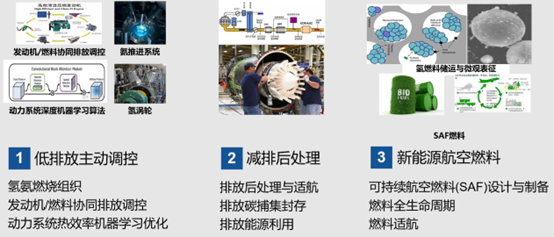
1. 航空发动机新燃料高效清洁燃烧与排放调控
面向空天动力,围绕可持续航空燃料SAF、氢氨等新燃料的安全与减排需求,建立多源燃料理化特性数据库,揭示其燃烧火焰特征与化学反应机理;研究宽掺混比SAF在复杂高空条件下的供油、密封兼容及热端部件耐久性,探明润滑油等排放的环境影响,提出油机安全适航边界与符合性验证方法;发展新燃料喷雾、点火、稳定燃烧及多污染物超低排放协同控制技术。
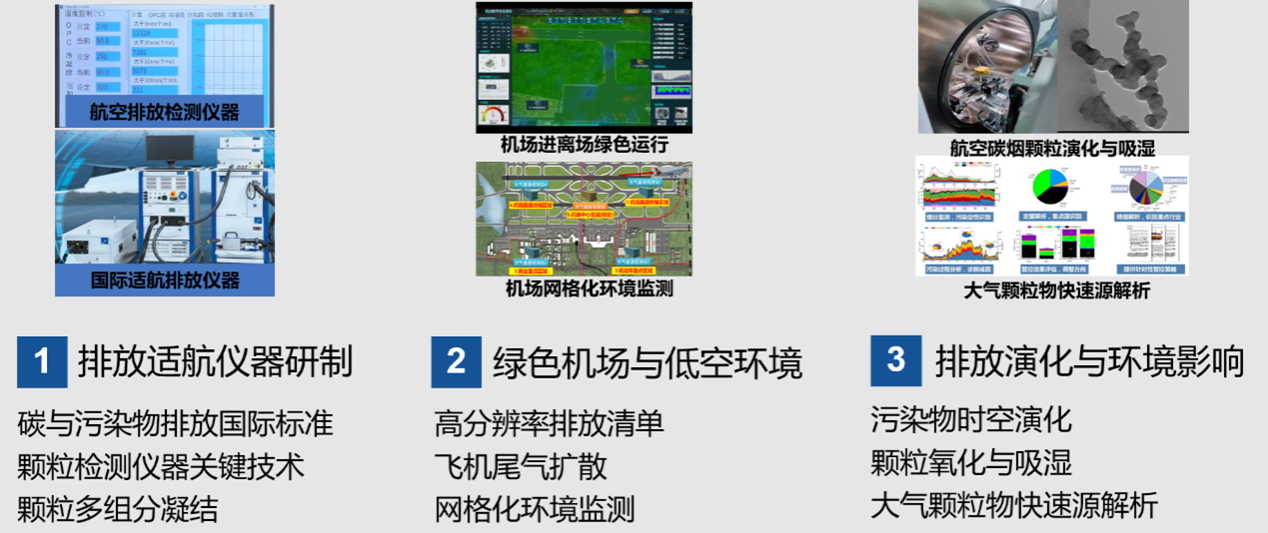
2. 航空排放精密测量仪器研发与适航测试
针对航空发动机全工况(含新燃料)排放特征,研制高灵敏度在线/离线检测仪器,覆盖气态污染物、超细颗粒物及非常规排放物种,提升高空条件下的测量精度与可靠性;完善适航标准的测试方法与校准体系,向国内外相关组织提出中国解决方案;建立航空排放测试验证平台,为排放清单构建、减排效果评估及机载监测提供核心测量手段,拓展应用于车船等污染物检测。
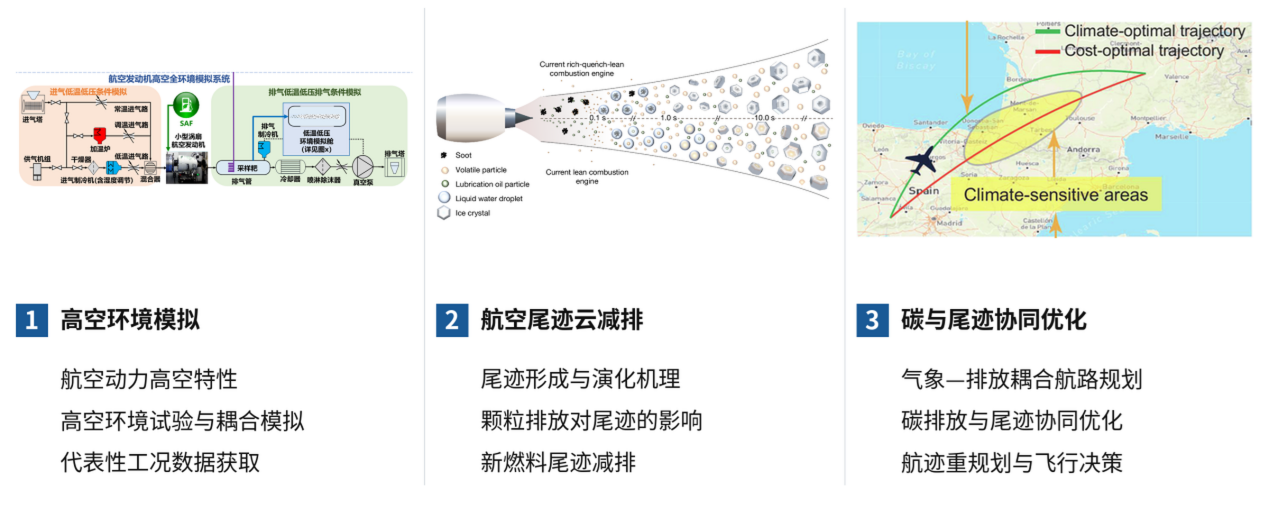
3. 航空排放的环境健康影响与高空气候效应
基于精密测量数据,构建多尺度全球排放清单,建立机场低空区域源解析方法,结合高时空分辨率污染扩散量化模型,评估航空排放对机场周边人群暴露健康风险;同时阐明航空排放颗粒物生成演化与凝结尾迹形成机理,建立航空非二氧化碳气候效应量化评价方法;结合高空模拟实验获取新燃料高空排放特性,将数据融入气候模型评估不同减排路径的全球增温潜势,并构建集成燃料特性、燃烧排放和气候效应的多尺度耦合方法,建设多型航空发动机环境气候研究平台;同时结合全球飞行轨迹与气象数据构建航空排放大数据平台,运用智能算法揭示排放时空演化规律,为国际碳抵消机制提供支撑。
4. 基于排放的动力系统故障诊断与健康预警
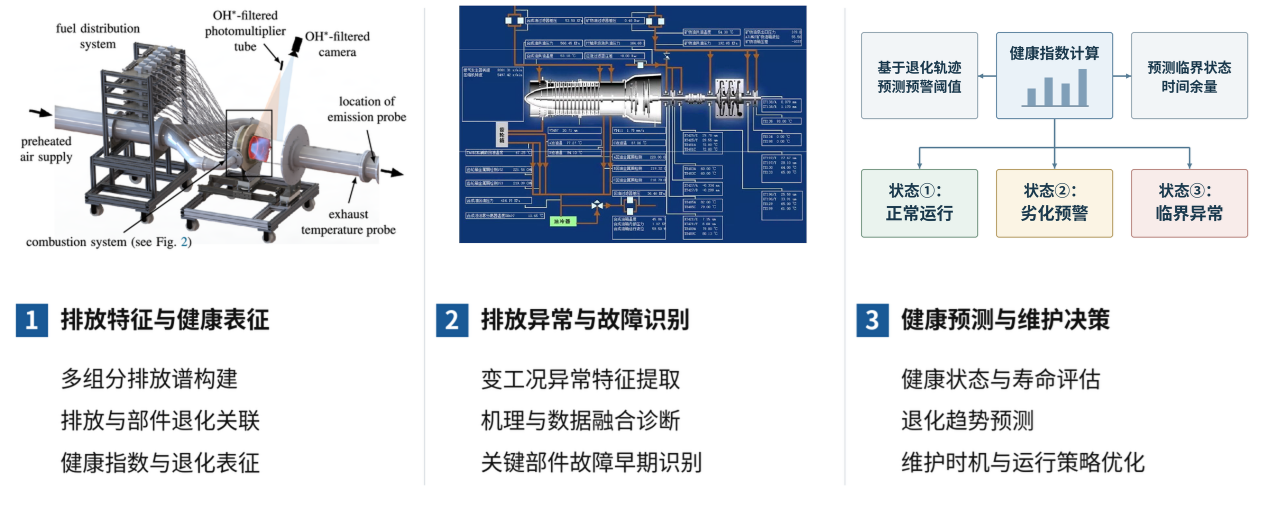
面向航空发动机、燃气轮机等动力系统安全运行与智能运维需求,围绕部件性能退化和早期隐患在排放端的动态响应特征,建立多组分排放谱、瞬态排放波动与动力系统健康状态的关联表征方法,揭示燃烧状态演变、关键部件性能衰退与排放特征漂移之间的耦合机制;研究复杂变工况和弱故障条件下排放异常特征提取、健康指数构建及退化趋势预测方法,发展机理模型与数据驱动融合的故障诊断和健康评估技术;构建基于排放特征的在线健康监测与分级预警体系,实现动力系统由故障后识别向早期感知、趋势预测和主动维护转变,为动力装备安全可靠运行及全寿命健康管理提供技术支撑。
5. 发动机燃烧的数理建模、仿真与优化
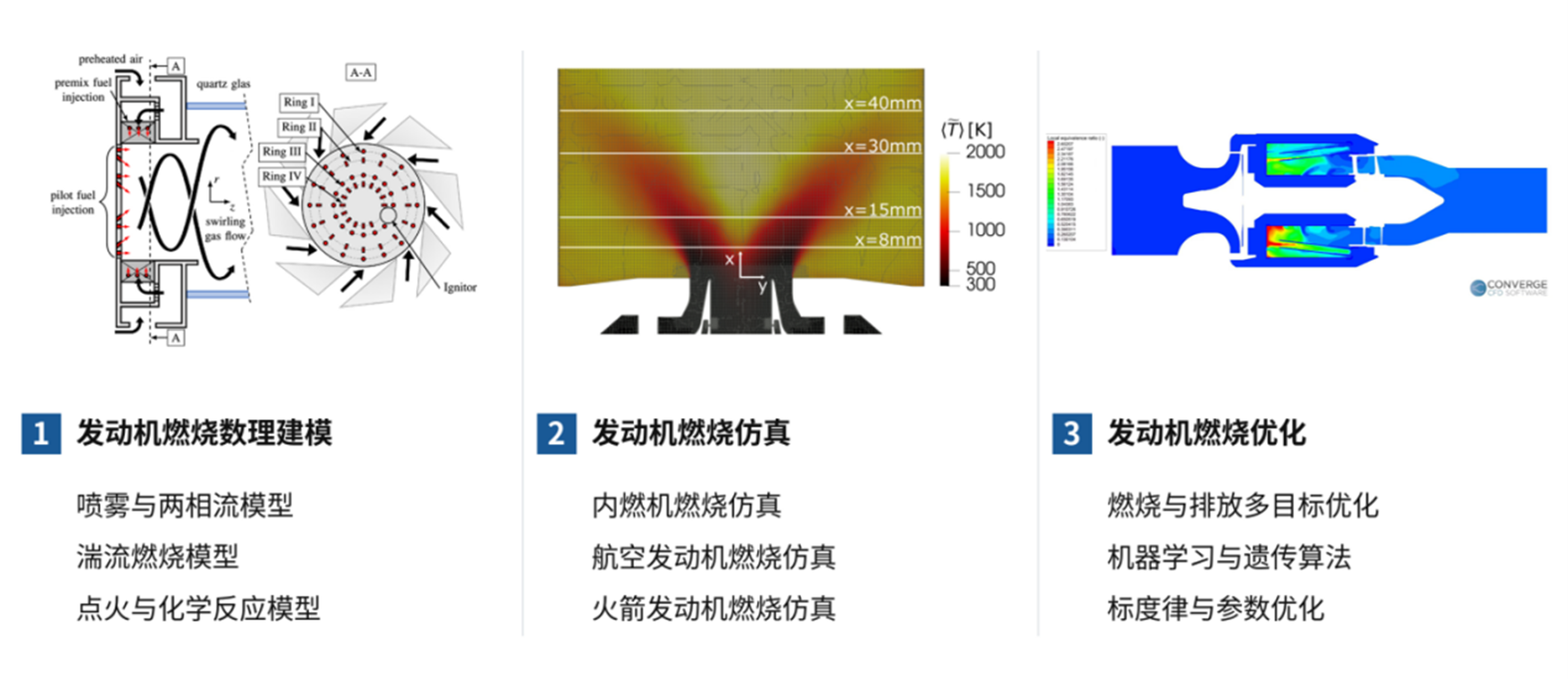
开发适合工程计算的关于两相流、燃烧的数学物理模型;利用先进的仿真软件,研究发动机燃烧过程的物理机理;结合遗传算法、机器学习、高置信数值仿真等方法,实现发动机燃烧与排放多目标优化。
6. 太阳辐射管理与地球气候工程调控技术
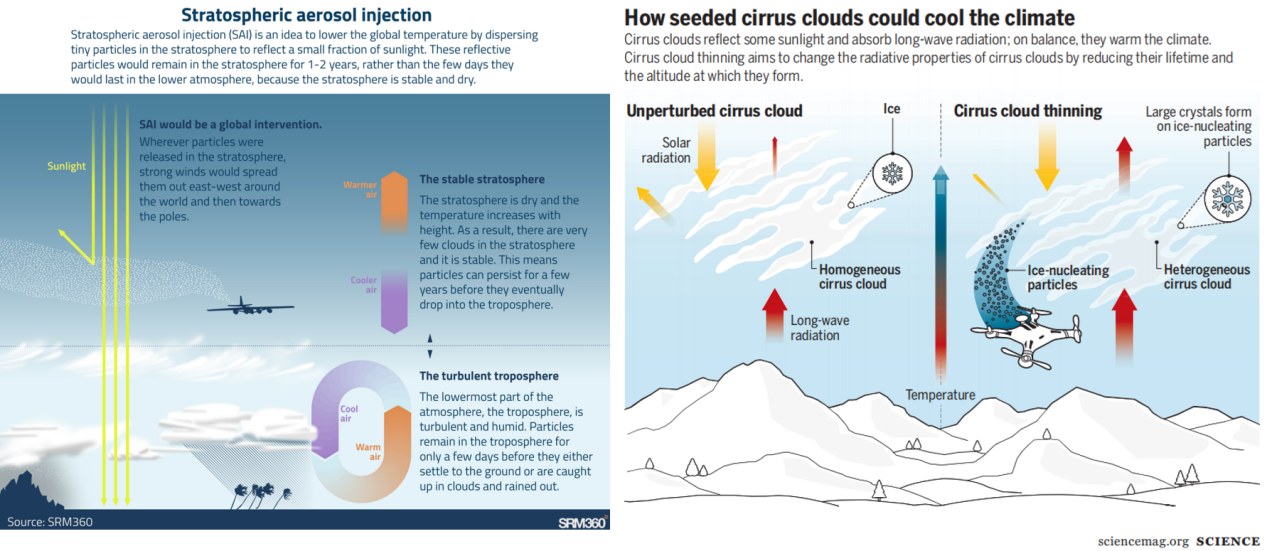
面向全球温控目标下的气候干预需求,围绕太阳辐射管理核心技术体系,聚焦平流层气溶胶注入与卷云减薄两类关键调控路径,揭示其辐射强迫作用机制与全球气候响应的物理机理;研究平流层气溶胶的组分选型、粒径调控与空间注入策略,阐明不同纬度、季节与部署方案下的降温效率差异与区域气候非均匀特征;阐明卷云冰晶演化与长波辐射的耦合调控机理,发展卷云微物理参数化方法与精准减薄的技术实现路径;结合地球系统模式开展多尺度数值模拟,量化两类干预技术的全球增温抑制潜势、气候副作用与生态环境风险;构建融合辐射效应、气候响应、环境代价与实施可行性的综合评估框架,形成适配不同碳减排情景的差异化气候工程方案,为全球气候治理与温控目标落地提供科学支撑。
7.高端芯片制造和先进核能中的微纳颗粒污染物检测与管控技术
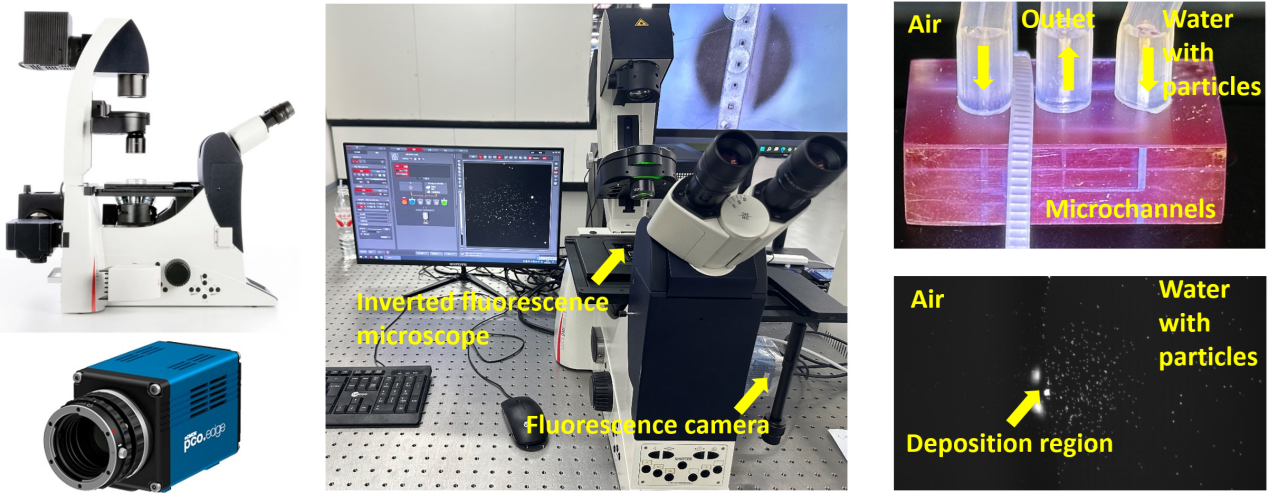
面向先进制程芯片良率提升与超净制造环境管控需求,围绕晶圆表面、先进封装界面的亚微米至纳米级污染颗粒精准检测核心问题,建立不同制程环节颗粒的形貌、组分、粘附特性数据库,揭示颗粒在晶圆表面的沉积迁移、界面作用与器件失效关联机理;研究多模态光学散射、显微成像结合的高速在线检测方法,突破超净环境下低浓度颗粒计数、成分快速甄别与微小缺陷定位技术,提出芯片表面洁净度分级评价标准与制程污染溯源管控方案;构建覆盖光刻、刻蚀、沉积全工序的颗粒污染智能检测分析平台,运用深度学习算法实现颗粒自动分类、来源追溯与良率预警,为高端芯片制程精度提升与制造良率管控提供核心技术支撑。
面向先进核反应堆事故气溶胶安全分析、核装置退役治理与辐射环境防护等需求,围绕反应堆事故泄漏气溶胶的蒸发冷凝、扩散输运、沉降、重悬浮、喷淋捕集等核心问题,建立不同事故序列下气溶胶颗粒物的粒径谱演化模型,揭示事故工况下气溶胶冷凝凝并、多相扩散、空间输运、壁面作用、液滴吸附等多尺度动力学机理;研究气溶胶泄漏的在线监测与溯源方法,突破低浓度气溶胶颗粒精准检测与组分快速甄别技术,实现微泄漏源的智能反演定位;开发反应堆退役切割场景的气溶胶监测与分级管控技术,构建覆盖事故应急、退役运维、环境监测的核能气溶胶智能分析平台,为核设施安全运行、事故应急响应与退役环境治理提供核心技术支撑。
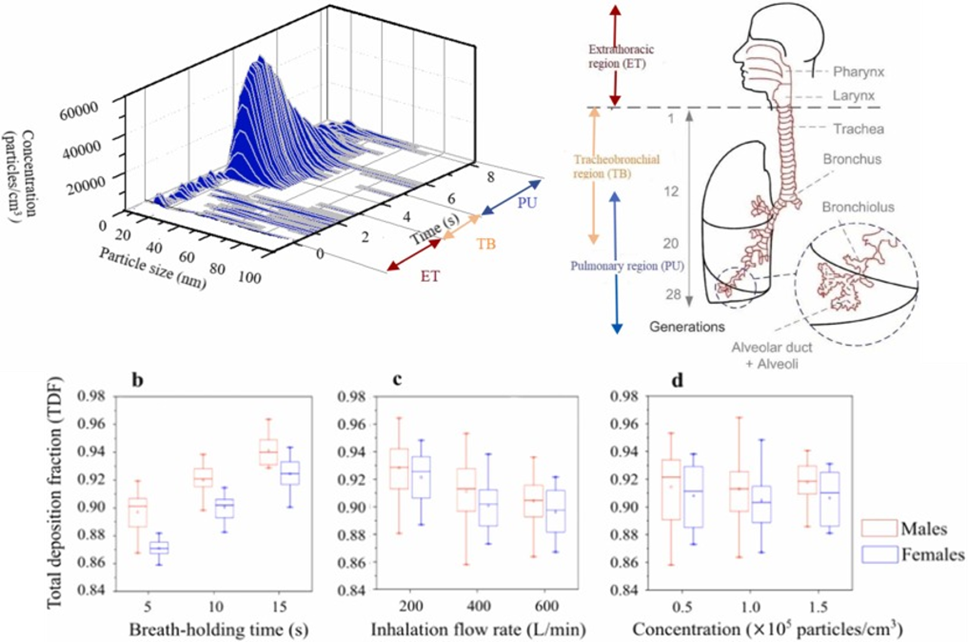
8. 人体呼吸道颗粒沉积检测与呼吸健康风险评估
面向职业暴露防护、大气污染健康评价与呼吸疾病早期筛查需求,围绕可吸入微纳颗粒在人体呼吸道的沉积行为与生物效应检测核心问题,建立不同粒径、组分颗粒与气道结构耦合的沉积分布特征数据库,揭示颗粒在各级呼吸道的沉降、滞留与黏膜相互作用机理;研究仿生气道模型、体外呼吸模拟结合的颗粒沉积精准检测方法,突破不同呼吸工况下颗粒分区沉积剂量测量、生物效应原位表征技术,量化颗粒暴露的呼吸道损伤阈值与健康风险等级;构建融合颗粒物理检测、生物效应评估与健康风险分级的智能分析平台,结合大数据分析实现颗粒暴露的精准溯源与呼吸健康动态评估,为职业呼吸防护、大气健康治理与呼吸系统疾病早期防控提供科学依据。
1. Efficient and Clean Combustion and Emission Regulation of New Fuels for Aero-Engines
Focusing on the safety and emission reduction requirements of new fuels including Sustainable Aviation Fuel (SAF), hydrogen and ammonia for aerospace power systems, this research establishes a physicochemical property database for multi-source fuels and reveals the flame characteristics and chemical reaction mechanisms during fuel combustion. It investigates the fuel supply performance, sealing compatibility and durability of hot-end components of wide-blending-ratio SAF under complex high-altitude conditions, and clarifies the environmental impacts of emissions such as lubricating oil. Furthermore, this sub-direction proposes the airworthiness boundary and compliance verification methods for aero-engine safety, and develops collaborative control technologies for fuel atomization, ignition, stable combustion and ultra-low emission of multiple pollutants adopting new fuels.
2. R&D and airworthiness testing of precision measurement instruments for aviation emissions
Targeting the emission characteristics of aero-engines under full operating conditions (including new fuels), high-sensitivity on-line/off-line detection instruments covering gaseous pollutants, ultrafine particulate matter and unconventional emission species will be developed to improve measurement accuracy and reliability under high-altitude conditions; the test methods and calibration system for airworthiness standards will be refined, and Chinese solutions will be proposed to relevant domestic and international organizations; an aviation emission test and verification platform will be established to provide core measurement tools for emission inventory development, emission reduction effect evaluation and on-board monitoring, with extended applications to pollutant detection in vehicles and ships.
3. Environmental and Health Impacts and Upper-atmosphere Climate Effects of Aviation Emissions
Based on precise measurement data, a multi-scale global emission inventory will be developed, and a source apportionment method for low-altitude areas around airports will be established. Combined with quantitative pollution dispersion models with high spatiotemporal resolution, the health risks of population exposure to aviation emissions in airport vicinities will be assessed. Meanwhile, the formation and evolution mechanisms of particulate matter from aviation emissions as well as contrail formation mechanisms will be elucidated, and quantitative assessment methodologies for non-CO₂ climate effects of aviation will be built. High-altitude simulation experiments will be carried out to obtain high-altitude emission characteristics of new fuels; the acquired data will be incorporated into climate models to evaluate the global warming potential of different emission reduction pathways. A multi-scale coupling approach integrating fuel properties, combustion emissions and climate effects will be constructed, and an environmental and climate research platform for multiple types of aero-engines will be developed. In addition, a big data platform for aviation emissions will be built using global flight trajectory and meteorological data, and intelligent algorithms will be adopted to reveal the spatiotemporal evolution of emissions, providing support for international carbon offset mechanisms.
4. Emission-based Fault Diagnosis and Health Early Warning for Power Systems
To meet the requirements for safe operation and intelligent maintenance of power systems such as aero-engines and gas turbines, this research focuses on the dynamic response characteristics of component performance degradation and early hidden risks reflected in emissions. It establishes a correlation characterization method linking multi-component emission spectra, transient emission fluctuations and the health status of power systems, and reveals the coupling mechanism among the evolution of combustion conditions, performance deterioration of key components and drift of emission characteristics. Methods for extracting abnormal emission features, constructing health indices and predicting degradation trends under complex variable operating conditions and weak fault scenarios are investigated, and fault diagnosis and health assessment technologies integrating mechanism models and data-driven approaches are developed. An on-line health monitoring and graded early warning system based on emission characteristics will be built, enabling the transformation of power systems from post-fault identification to early perception, trend prediction and proactive maintenance, and providing technical support for the safe and reliable operation and full-life health management of power equipment.
5. Mathematical Modeling, Simulation and Optimization of Engine Combustion
Develop mathematical and physical models for two-phase flow and combustion suitable for engineering calculations; adopt advanced simulation software to investigate the physical mechanisms of engine combustion processes; integrate genetic algorithms, machine learning, high-fidelity numerical simulation and other methods to realize multi-objective optimization of engine combustion and emissions.
6. Solar Radiation Management and Geoengineering Regulation Technologies
Aiming at the demands for climate intervention under the global temperature control targets, centering on the core technical system of solar radiation management, this research focuses on two key regulation pathways: stratospheric aerosol injection and cirrus cloud thinning, to reveal the physical mechanisms of their radiative forcing and global climate responses. It investigates component selection, particle size control and spatial injection strategies of stratospheric aerosols, and clarifies differences in cooling efficiency and heterogeneous regional climate features under various latitudes, seasons and deployment schemes. The coupled regulation mechanism between ice crystal evolution in cirrus clouds and longwave radiation is elucidated; cirrus cloud microphysics parameterization methods and technical implementation routes for precise cirrus thinning are developed. Multi-scale numerical simulations are performed using Earth system models to quantify the global warming suppression potential, climatic side effects and eco-environmental risks of the two intervention technologies. A comprehensive evaluation framework integrating radiative effects, climate responses, environmental costs and implementation feasibility is established to formulate differentiated geoengineering schemes adapted to diverse carbon emission reduction scenarios, providing scientific support for global climate governance and the delivery of temperature control targets.
7. Detection and Control Technologies for Micro-Nano Particulate Contaminants in High-End Chip Manufacturing and Advanced Nuclear Energy
To meet the demands of yield improvement for advanced-node chips and ultra-clean manufacturing environment control, targeting the core challenge of precise detection of submicron to nano-scale contaminant particles on wafer surfaces and advanced packaging interfaces, a database covering particle morphology, composition and adhesion properties at different process stages will be established, and the correlation mechanisms between particle deposition and migration, interfacial interactions on wafer surfaces and device failure will be revealed. High-speed on-line detection methods combining multi-modal optical scattering and microscopic imaging will be investigated to make breakthroughs in technologies for low-concentration particle counting, rapid component identification and micro-defect localization in ultra-clean environments. Graded evaluation criteria for chip surface cleanliness and process pollution traceability and control schemes will be proposed. An intelligent particle contamination detection and analysis platform covering the full processes of lithography, etching and deposition will be constructed. Deep learning algorithms will be adopted to realize automatic particle classification, source tracing and yield early warning, providing core technical support for process precision improvement and manufacturing yield control of high-end chips.
To satisfy the requirements for safety analysis of accident aerosols in advanced nuclear reactors, decommissioning management of nuclear installations and radiation environmental protection, focusing on key issues including evaporation and condensation, diffusion and transport, deposition, resuspension and spray capture of aerosols released during reactor accidents, particle size spectrum evolution models for aerosol particles under different accident sequences will be built, and multi-scale dynamic mechanisms such as aerosol condensation and coagulation, multiphase diffusion, spatial transport, wall interactions and droplet adsorption under accident conditions will be elucidated. On-line monitoring and traceability methods for aerosol leakage will be studied to achieve breakthroughs in precise detection and rapid component identification of low-concentration aerosol particles, enabling intelligent inversion and localization of micro-leakage sources. Aerosol monitoring and graded control technologies for cutting scenarios during reactor decommissioning will be developed, and an intelligent nuclear aerosol analysis platform covering accident emergency response, decommissioning operation and environmental monitoring will be established, offering core technical support for safe operation of nuclear facilities, accident emergency response and environmental remediation during decommissioning.
8. Detection of Particle Deposition in Human Respiratory Tract and Respiratory Health Risk Assessment
To meet the demands of occupational exposure protection, health assessment of atmospheric pollution and early screening of respiratory diseases, this research targets the core issues concerning the detection of deposition behavior and biological effects of inhalable micro-nano particles in the human respiratory tract. A database of deposition distribution characteristics coupling particles of different sizes and compositions with airway structures will be established, and the mechanisms of particle sedimentation, retention and mucosal interaction in all levels of the respiratory tract will be revealed. Precise particle detection methods combining biomimetic airway models and in vitro respiratory simulation will be investigated to achieve technological breakthroughs in regional deposited dose measurement of particles under various breathing conditions and in-situ characterization of biological effects, so as to quantify the respiratory injury threshold and health risk levels induced by particle exposure. An intelligent analysis platform integrating physical particle detection, biological effect evaluation and graded health risk assessment will be constructed. Combined with big data analysis, precise source tracing of particle exposure and dynamic assessment of respiratory health can be realized, providing scientific basis for occupational respiratory protection, atmospheric health governance and early prevention and control of respiratory diseases.
实验设施:
1. 低碳航空动力与高空飞行环境模拟平台
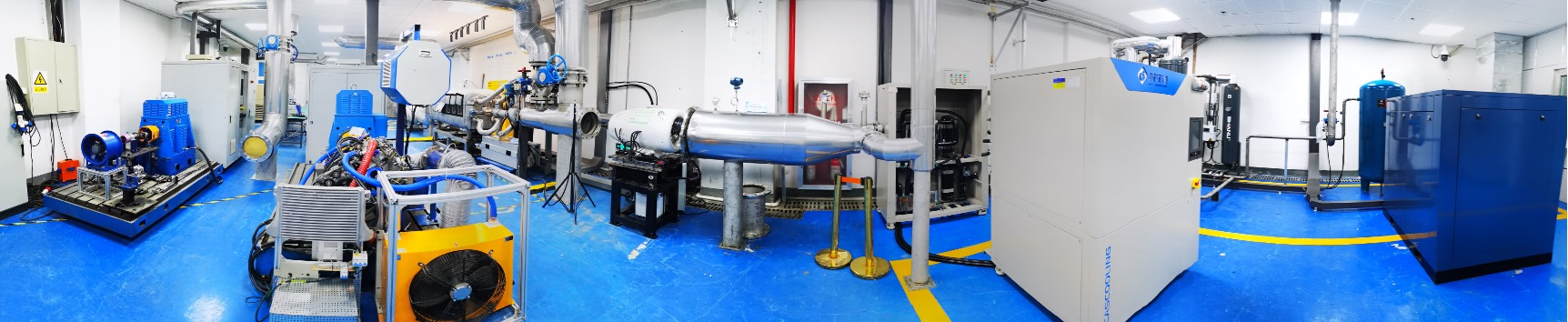
低碳航空动力与高空飞行环境模拟平台(Center of Excellence for Low-carbon Aviation High-altitude Simulation,LAHS Lab)是依托北京航空航天大学、北航国际创新研究院、天目山实验室等筹建的重要科研平台。中心瞄准国家航空领域重大战略需求,追踪国际航空科技发展前沿,以“双碳”战略目标为导向,围绕双碳战略下低碳可持续航空发展路线图、航空与环境气候影响等重点方向,开展基础性、前瞻性、新兴交叉的创新研究。具体研究方向包括:可持续航空燃料在各类航空发动机上的适航特性研究、各类航空发动机燃烧与排放测量技术、航空高空排放演变机理、航空大数据和数字孪生交互、机场污染物扩散演化与监测治理等。中心主打“民航缩比、通航整机”低碳航空动力的小型化预研技术路线,已配备涡扇、涡轴、活塞等多种航空动力试车台,拥有自主研制的民航缩比涡扇发动机、已适航取证的通航重油活塞发动机等适用可持续航空燃料的先进航空动力。中心已建成国际领先的航空动力高空复杂全环境模拟系统,具有尾迹云演变模拟(国际唯一)、进排气温湿压同步控制、过渡态调控等创新功能,并满足其他民用衍生研究的高空模拟需求。中心拥有多种先进设备,如满足最新适航标准的航空排放测量系统(国内唯一)、自主研制的宽温纳米颗粒计数仪(国际首台)、燃烧分析仪、振动与噪声分析系统、高速瞬态采集系统等。中心已与中国航发商用航空发动机有限责任公司、中国商飞北京民用飞机技术研究中心、中国石油化工股份有限公司镇海炼化分公司、中国民航科学技术研究院、中国环境科学研究院等相关单位建立长期合作关系,将积极推进低碳航空动力基础研究、关键技术及其成果转化等多维度突破,努力成为国际领先的实验中心,为我国发展低碳航空动力高水平研究、培养多学科交叉的高层次人才贡献力量。
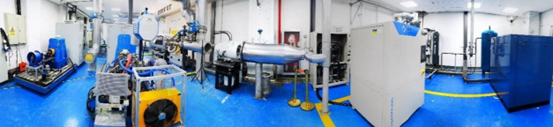
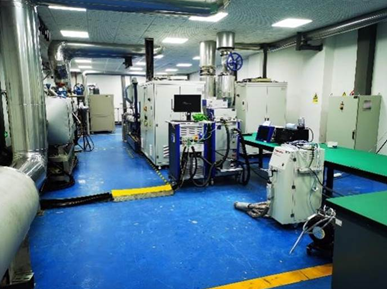
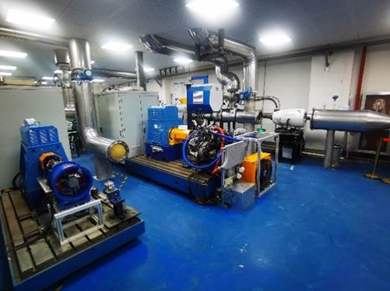
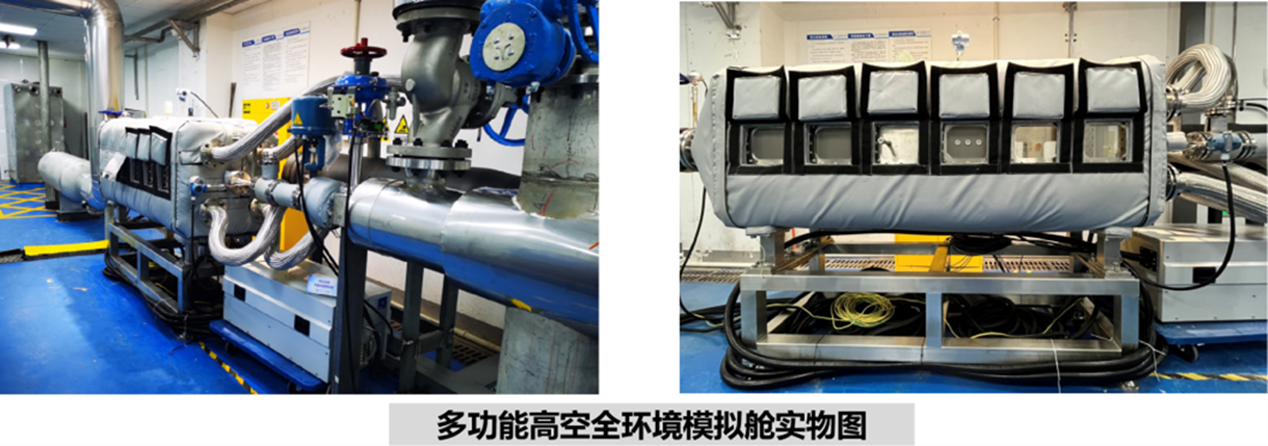
2. 多功能高空全环境模拟舱
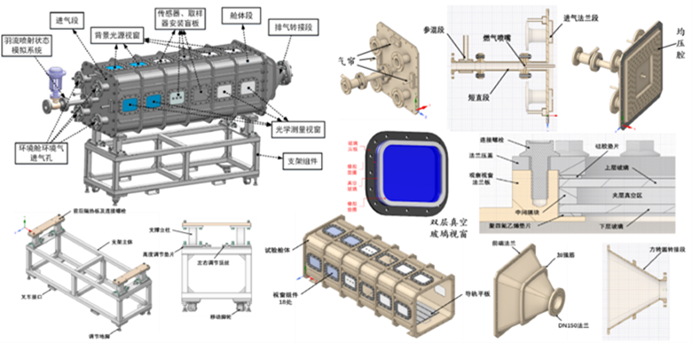
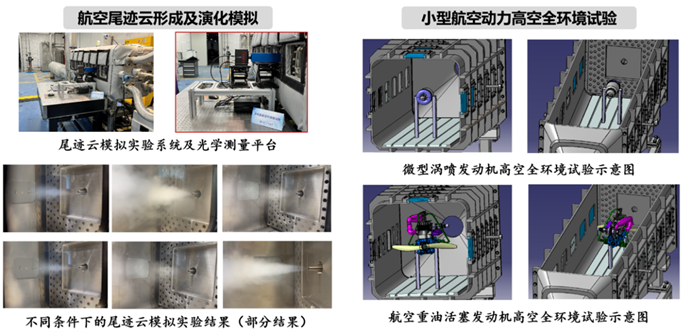
多功能高空全环境模拟舱是由北航中法航空研究院自主研制,可实现海平面至海拔12km范围内的真实全环境条件(温湿压)的模拟,具备航空尾迹云形成及演化模拟、小型航空发动机全身高空环境试验、污染物在真实气象条件下的扩散演化等多种创新功能,同时满足电子产品、高原生医等其他民用衍生研究对高空环境模拟的需求。环境舱配备有双层真空光学测量视窗、传感器及取样器安装盲板,满足可视化表征等多样化研究要求。
3. 微纳表征洁净间
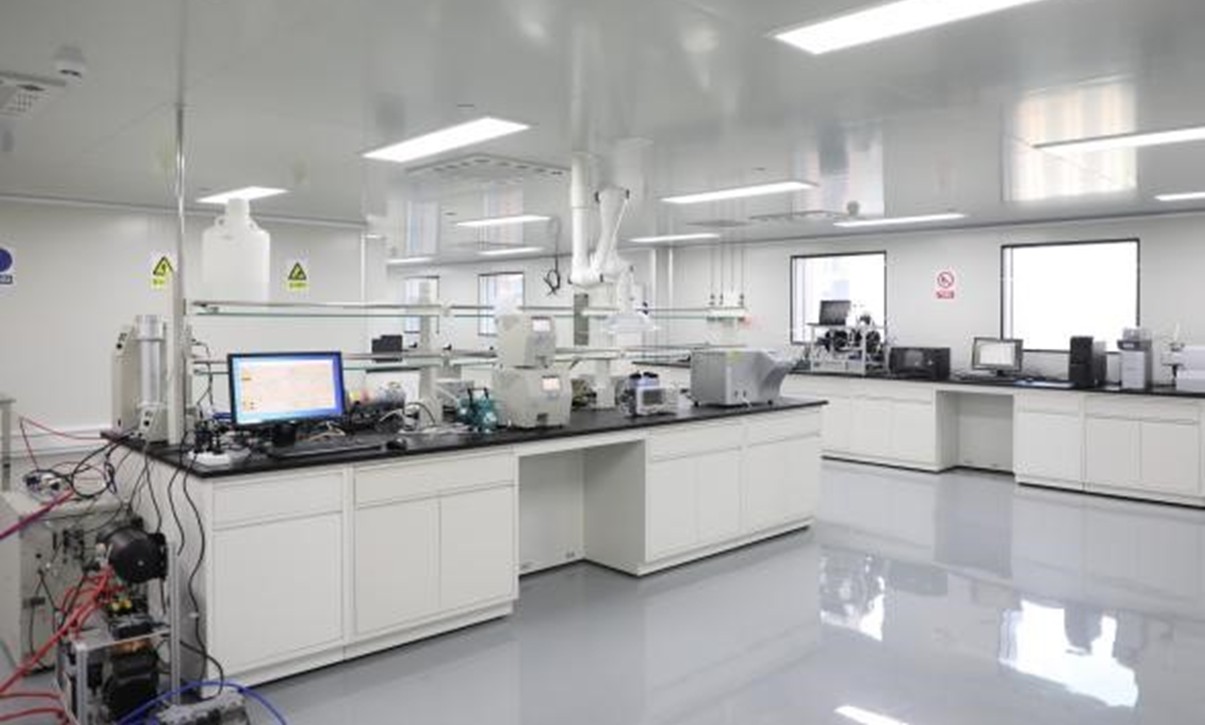
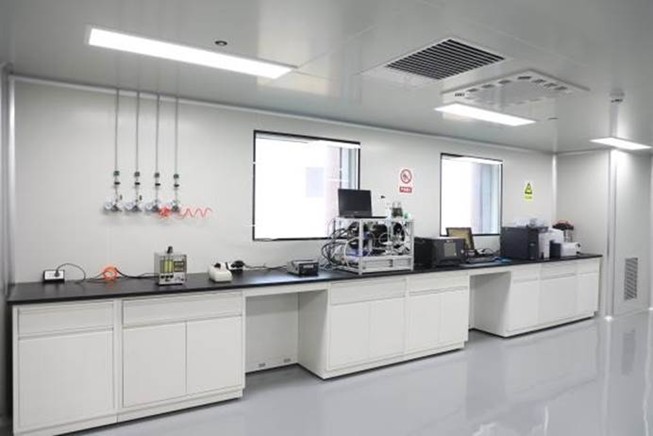
用于航空排放测试的洁净间是一种高洁净度等级的特殊实验室环境,通过高效空气过滤器和严格的空气质量管理系统,确保空气中的微粒、细菌、病毒等污染物数量得到严格控制。人员和物料需穿戴专业的洁净服、手套、口罩等,并通过气锁室进出,防止带入污染物。洁净间内配备有专业的航空排放测试设备,如排放分析仪、采样设备、数据采集系统等,确保测试结果的准确性和可靠性。同时,通风和排放设施确保有害物质得到有效处理,避免对环境和人员造成危害。数据采集和处理系统实时记录测试过程中的各项数据,并生成详细的测试报告,为航空领域的技术进步和环境友好发展贡献力量。
4. 航空排放适航检测平台
航空排放适航检测平台正是面向飞机发动机排放的纳米级颗粒物检测方法与系统研制,解决我国商用航空发动机适航难题。目前已经建立了航空排放纳米颗粒检测设备研制、纳米颗粒动力行为、异质凝结等研究需要的所有设备,包括扫描电迁移率分析仪、空气动力学粒径筛分仪、航空碳烟颗粒发生器、吸湿电迁移率分析仪、1纳米颗粒计数仪等重大设备,具备了完善的部件及系统的标定校准能力。已围绕高温纳米颗粒原位测量开展了一系列基础研究与设备开发,发展了高温纳米颗粒异质凝结相关模型,在此基础上成功研制了颗粒计数系统,实现了纳米颗粒数目浓度精准检测,有效颗粒粒径检测下限低于10纳米,满足ICAO法规要求,该设备已经在上海商发实现了对国产民用航空发动机排放纳米颗粒数目浓度的检测,取得了良好的效果。
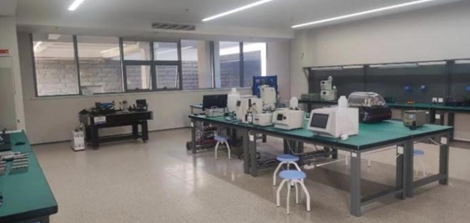
航空排放适航检测平台实验室全景图
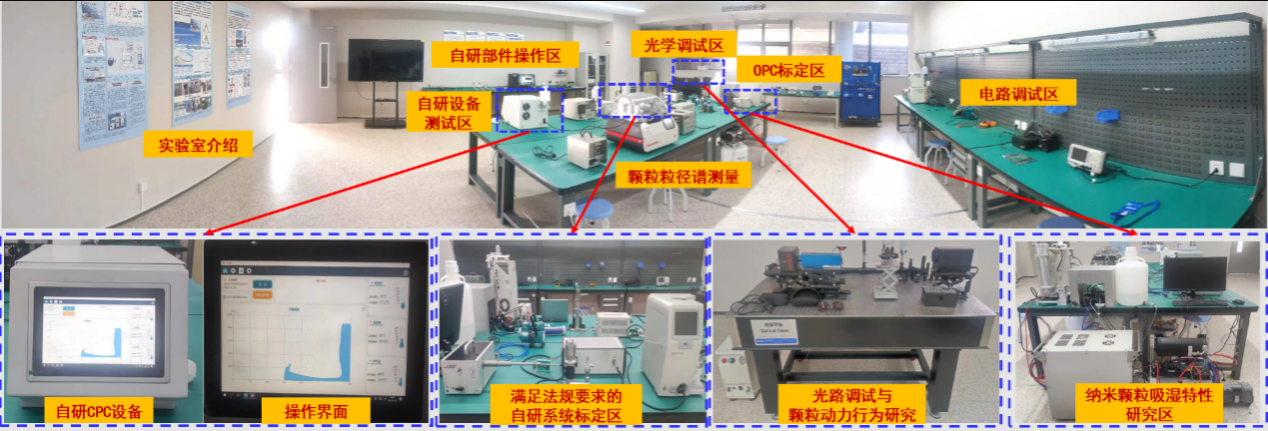
航空排放适航检测设备介绍和分区